margarettelaur
margarettelaur
DragonBox Pyra

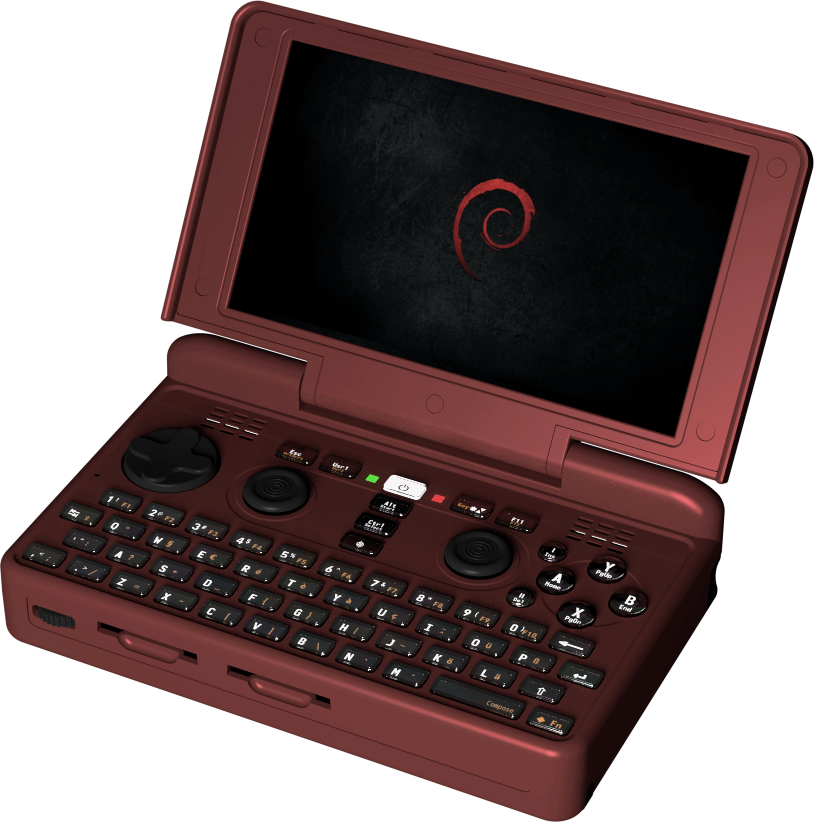
When you first grasp the DragonBox Pyra in your hands, something extraordinary happens. The handheld, featuring its robust exterior and carefully arranged controls, reveals its purpose before it’s even powered on. It nestles in the palms like an artifact from a more thoughtful future, weighty enough to feel significant yet compact enough to disappear into a jacket pocket.

Born from the collective dreams of a global community of Linux advocates, the Pyra represents a worldview seldom seen in today’s disposable electronics market. Its architect, Michael Mrozek, moves through the tech landscape with the unwavering commitment of an individual who rejects to acknowledge the boundaries that large corporations have erected around mobile technology.

Beneath the surface, the Pyra contains a fascinating array of hardware that tell a story of technical creativity. The dual-core processor sits upon a replaceable module, enabling future enhancements without replacing the whole unit – a clear opposition to the glued assemblies that dominate the shelves of electronics stores.
The man who stands at the register of a big-box electronics store, holding the latest smartphone, might never understand what makes the Pyra special. He sees only stats and logos, whereas the Pyra aficionado recognizes that true value exists within freedom and longevity.
As night approaches, in living spaces distributed throughout the globe, men and women of varying ages connect online in the DragonBox community. Within this virtual realm, they trade ideas about creative applications for their beloved devices. A programmer in Stockholm refines an application while a former technician in Osaka creates an accessory. The community, bound by their mutual enthusiasm for this remarkable device, surpasses the typical consumer relationship.
The tactile input array of the Pyra, subtly glowing in the subdued brightness of a predawn development sprint, symbolizes a refusal of compromise. While most users tap inefficiently on touchscreen interfaces, the Pyra user enjoys the tactile response of real keys. Their hands navigate the compact layout with practiced precision, converting ideas into commands with a smoothness that touchscreens cannot match.
In an era when technology companies specifically design the lifespan of their devices to ensure repeat sales, the Pyra stands defiant as a monument to technological independence. Its component-based structure promises that it will remain useful long after competing products have been discarded.

The monitor of the Pyra shines with the warm light of opportunity. Unlike the locked-down ecosystems of commercial products, the Pyra functions with a full Linux distribution that welcomes discovery. The owner is not just an end-user but a prospective contributor in a global experiment that challenges the established standards of personal technology.
As the sun rises, the Pyra sits on a busy table, surrounded by the evidence of productive activities. It embodies more than a gadget but a worldview that prioritizes freedom, community, and sustainability. In an age increasingly dominated by short-lived gadgets, the DragonBox Pyra persists as a beacon of how technology might evolve – when we prioritize our values.