
garlandbaldess
garlandbaldess
The architectural evolution of UK law courts plays a critical role in ensuring that the judicial system functions effectively.
Traditional courtrooms are often arranged in a way that emphasizes the formality of the judicial process, with the judge sitting on a raised platform, known as the “bench,” and the witness stand positioned prominently in front of the judge. Prolonged delays can lead to frustration for individuals involved in legal proceedings and can undermine confidence in the legal system.
Courts also work to ensure that individuals who are facing discrimination or disadvantage can still access a fair trial and that their rights are protected throughout the legal process.
This includes examining the evidence presented by the prosecution and defense, ensuring that the rights of the accused are respected, and providing a verdict based on the law. The Court of Appeal, established in 2014, sits between the High Court and the Supreme Court.
This duty is reflected in the provision of legal aid, which allows those who cannot afford legal representation to still access the courts and receive professional legal support. The history of law courts in the UK is deeply rooted in architecture. These buildings, which date back to the 19th century, are characterized by their Gothic Revival style, featuring tall spires, intricate stonework, and majestic entrances.
This help article explores the main duties of law courts in the UK, including their responsibilities in case management, the delivery of justice, safeguarding human rights, and maintaining public confidence in the legal system.
This includes protecting individuals from unlawful detention, ensuring that everyone has access to a fair trial, and safeguarding the right to free speech, privacy, and equality before the law. The floorplan of a court building is also carefully considered in its design. Whether handling criminal cases, civil disputes, family matters, or appeals, the duties of law courts are designed to uphold the rule of law, protect individual rights, and provide a fair and equitable system for all.
This setup reinforces the authority of the court and the importance of the legal process.
These courts have several key duties that are central to the proper functioning of the legal system. Courts have systems in place to prioritize urgent cases, such as those involving vulnerable individuals, and ensure that the legal process moves forward as efficiently as possible. Courts are responsible for safeguarding the rights and freedoms of individuals, as enshrined in legislation such as the Human Rights Act 1998.
For example, some modern courtrooms feature more flexible seating arrangements, where all parties involved in the case – including the judge, lawyers, and defendants – can sit together in a more informal setting.
Ireland also maintains a specialised system of tribunals and specialised courts to deal with specific issues.
Efficiency is another essential duty of law courts. These include the Workplace Relations Commission (for employment law), the Residential Tenancies Board (for landlord-tenant disputes), and the Special Criminal Court, which handles cases involving terrorism and organised crime.
Courts must manage case backlogs, avoid unnecessary delays, and ensure that cases are heard in a timely manner.
One of the key duties of courts is to ensure that there is access to justice for all, particularly for vulnerable or disadvantaged individuals.
 Courts must ensure that the legal profession operates ethically and according to the rules of conduct, ensuring that lawyers are able to represent their clients fairly and competently.
An essential function of law courts is to facilitate the work of legal professionals. If you loved this article and you want to receive details regarding referrals generously visit our internet site. In cases involving serious criminal offenses, such as murder or terrorism, courts must ensure that the proceedings are conducted with the utmost care and thoroughness. The design of such courts was meant to project the authority and dignity of the law, reinforcing the seriousness and importance of legal proceedings.
Law courts are also tasked with protecting individual rights. In recent years, however, some courtrooms have been redesigned to foster a more collaborative and less intimidating environment. The courts are also responsible for ensuring that sentences are proportionate to the crime committed and that the punishment serves both justice and rehabilitation.
It was created to ease the backlog of appeals and improve the efficiency of the legal system.
This approach aims to reduce the adversarial nature of the proceedings and make the experience more comfortable for everyone involved. When individuals’ rights are violated by the state or other individuals, courts provide a platform for seeking redress and holding those responsible to account.
Some of the most famous and iconic law courts in the country, such as the Royal Courts of Justice in London, reflect the grandeur and symbolism associated with the legal process.
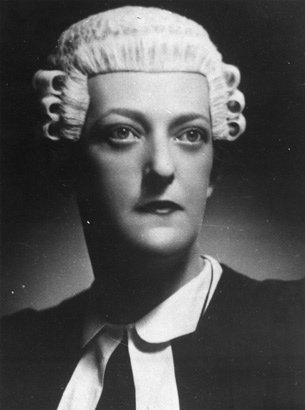 Courts provide a forum for legal representatives, including solicitors, barristers, and other legal professionals, to present their cases and engage in advocacy on behalf of their clients.
In criminal cases is to ensure that those who have been accused of crimes are given a fair trial.
This court hears appeals in both civil and criminal matters from the High Court and ensures consistency in legal services decisions across Ireland.
